
Species field guide
American Robin identification guide
Turdus migratorius · Thrushes · Turdidae
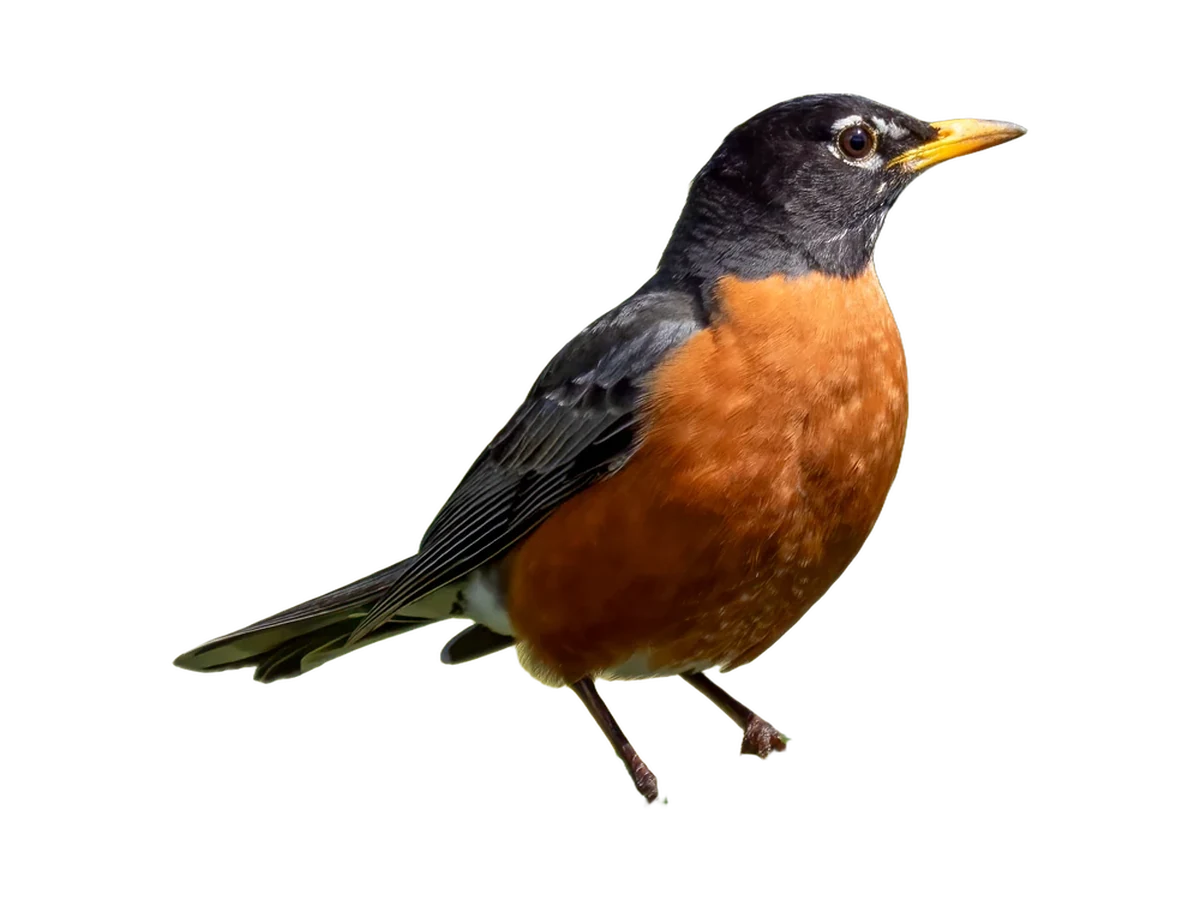
Observation focus
How to identify the American Robin.
American Robins are familiar North American thrushes that move confidently between city lawns and wild forests. Their upright stance, warm breast, and stop-and-run ground foraging make them approachable birds for a first field study.
- Warm orange breast and belly against a darker head.
- Gray-brown back and wings rather than an all-orange body.
- Upright thrush shape paired with run-and-pause ground feeding.
Meet the bird
What kind of bird is the American Robin?
American Robins are familiar North American thrushes that move confidently between city lawns and wild forests. Their upright stance, warm breast, and stop-and-run ground foraging make them approachable birds for a first field study.
Where to look
Where can you find the American Robin?
Scan open lawns and park edges for a bird running a few steps, pausing, and tipping its head before pulling food from the ground. In winter, look higher in fruiting trees where robins may gather in flocks.
Listen in the field
What does the American Robin sound like?
Listen for a clear, lilting series of musical whistles. Contact notes are lower and shorter, so match the sound with the bird's posture and setting rather than relying on one note alone.
American Robins in North Carolina, recorded by G. McGrane
Open audio fileA field recording of American Robins made in North Carolina.
Original recording by G. McGrane · Public domain (author dedication). Bird Tone stores the cited recording for reliable playback. Original recording; Bird Tone made no audio edits. The recording loads only when requested and plays only after you press play.
Source check
Where do these identification notes come from?
These notes summarize beginner-facing identification, habitat, and behavior cues. Confirm a bird from several marks, its voice, and the setting rather than one color alone.